
No items found.



Vietnam is a Southeast Asian country known for its dramatic landscapes, long coastline, and deeply rooted cultural traditions. Stretching along the eastern edge of the Indochinese Peninsula, Vietnam combines tropical beaches, rugged mountains, fertile river deltas, and energetic cities into a unique cultural and geographic tapestry.
We take in 3 cities.
Ho Chi Minh City, formerly known as Saigon, is the largest and most dynamic city in Vietnam. Located in the south, it serves as the country’s economic and commercial center.
The city is famous for its fast-paced lifestyle. Millions of motorbikes fill the streets, creating a constant buzz of movement. Modern skyscrapers stand beside historic French colonial buildings, reflecting the city’s layered history.
Important landmarks include Ben Thanh Market, where visitors can shop for food, clothing, and souvenirs, and the Notre Dame Cathedral Basilica of Saigon, built during the French colonial period. The city is also known for its vibrant street food culture, with dishes like pho, banh mi, and fresh spring rolls available on nearly every corner.
Hanoi, the capital of Vietnam, lies in the northern part of the country and is known for its rich history and cultural heritage.
The heart of the city is the Old Quarter, a maze of narrow streets filled with shops, food stalls, and traditional houses. Nearby is Hoan Kiem Lake, a peaceful spot where locals walk, exercise, and gather.
Hanoi blends ancient traditions with colonial influences. Visitors can see historic temples such as the Temple of Literature, Vietnam’s first university, alongside French-style buildings and tree-lined boulevards.
The city is also famous for its traditional cuisine, including pho (noodle soup) and egg coffee. Compared with Ho Chi Minh City, Hanoi often feels more historic and cultural, with a slower, reflective atmosphere.
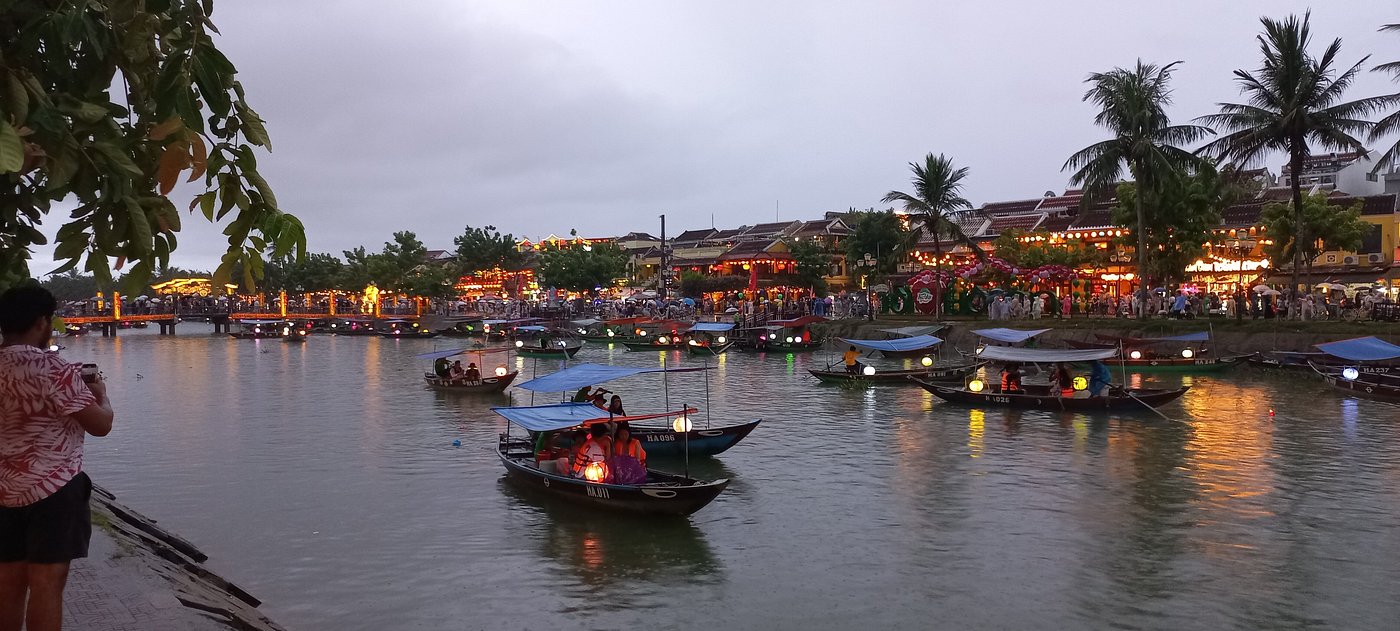
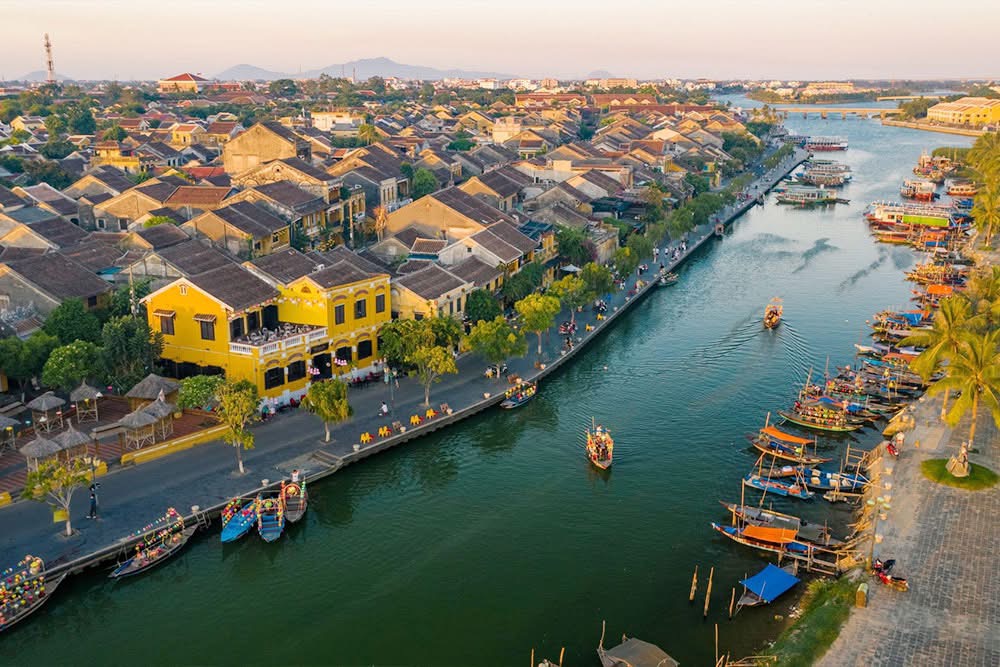
Hoi An is a small but beautiful city on Vietnam’s central coast, famous for its well-preserved Ancient Town, a UNESCO World Heritage Site.
The city was once an important international trading port between the 15th and 19th centuries, welcoming merchants from China, Japan, and Europe. Because of this history, its architecture shows a mix of cultural influences.
Hoi An is especially known for its colorful lanterns, which light up the streets at night and create a magical atmosphere. The Japanese Covered Bridge is one of the town’s most iconic landmarks.
Unlike the busy cities of Hanoi or Ho Chi Minh City, Hoi An has a calm and charming atmosphere, with narrow streets, yellow-painted houses, riverside cafés, and tailor shops where visitors can have custom clothing made.
Skip to the Full Itinerary here, Non-golfers and solo travellers welcome. https://wetu.com/ItineraryOutputs/Discovery/71f4fdcf-07c9-45bd-acfe-23e895bae4a6
This tour is brought to you with our Partners

The golf is the reason people come. The shared experience is often what they remember most.
An ACG tour is built around more than tee times. It is the welcome dinner on the first night, the stories after a round, the friendly competitions, the cultural moments, the long lunches, the scenic transfers and the feeling of discovering somewhere properly with people who enjoy the game as much as you do.
These trips are designed to feel personal, hosted and social. You arrive with a shared love of golf, but the best moments often happen between the rounds.
You do not need to arrive with a group to feel part of one.
ACG hosted tours are designed to be social, welcoming and easy to settle into. Many travellers join because they want to experience a destination with other golfers, without needing to organise friends or manage the trip alone.
The small-group format, hosted support, shared dinners and friendly golf structure help guests connect naturally. Whether you are travelling solo, as a couple, or with a small group of friends, the aim is the same: a premium golf journey that feels organised, relaxed and easy to enjoy.






We welcome your questions and are always happy to chat.
Email hello@amateurclubgolfer.com to arrange a suitable time for a call or any general enquiries.
Alternatively, call 02 7248 5131. Grab a coffee and we'll walk you through the tour details, as well as Membership options that provide access to additional discounts and exclusive benefits.

ACG Director Of Golf
greg@amateurclubgolfer.com
02 7248 5131